
Inside a Tulare Resident Lookup
A Tulare resident lookup becomes useful when the result type is named precisely. The following sources answer different questions, and none should be stretched into a complete resident list.
| Record | What it confirms | Where | Access or limit |
|---|---|---|---|
| Assessment or deed | Ownership and conveyance, with a possible tax-mailing clue | Assessor and Recorder | Parcel search, index, image, or copy; not occupancy |
| Voter status or file | Individual registration or restricted statutory data | Secretary of State / Registrar | Not a public directory; Elections Code section 2194 applies |
| Court index or file | Name in a public case, role, and disposition | Tulare Superior Court | Sensitive and sealed cases are excluded |
| Vital certificate | Event and family linkage | County or CDPH | Authorized versus informational copy rules |
| Business or FBN | Entity, agent, filing address, or business identity | SOS or County Clerk | Business nexus, not residence proof |
| Professional license | Credential, status, discipline, and published address | DCA or a named board | Free verification; board scope varies |
| Directories or newspapers | Historical address, occupation, or relationship when printed | Hillman room | Gapped years; verify each entry |
A strong Tulare resident lookup records the source name, date, identifier, role, and jurisdiction. It does not turn a business address, tax mailing address, or case party line into a present-home claim.
Build a Tulare Resident Identity
Same-name control is the first local skill. Preserve the person's full name and variants, including particles, hyphens, alternate order, and middle initials. Add date range, parcel or legal description, known relative, business, case location, and geography. A clerk can explain copy procedure, but a phone conversation should not be treated as identity certification.
Two independent points are preferable. A recorded deed image with a matching legal description and a dated directory line is stronger than two web snippets. A DCA license identifier plus a business filing date can establish an official role, but neither by itself establishes a home. Reject a candidate when dates conflict instead of forcing a match.
- Index
- A locator that points to a record or case; it may omit the underlying image and full context.
- Docket
- The court's dated sequence of filings, hearings, events, and disposition entries.
- Certified copy
- A copy issued through the custodian's certification process for a formal proof need.
- Disposition
- The outcome or status of a public case entry. A filed charge is not the same as a disposition.
Tulare Resident Lookup Court Cases
Tulare has a unified Superior Court, with public counters in Visalia, Porterville, and Dinuba. Its case-information route can provide a free index, while actual public documents and certified copies use a records request or clerk counter. The Tulare County Law Library links readers to case information and court-record requests, and California Courts Find My Court confirms the official county routing. Main lobby hours are Monday through Friday, 8 a.m. to 4 p.m. Public coverage varies by case type and division.
Expected public docket concepts include case number, party names, case category, filing date, event or hearing entries, and status or disposition where the category permits. The live legacy form did not expose all labels to the research crawler, so no unverified field list or coverage cutoff is promised here. Juvenile, adoption, dependency, sealed, and confidential family-law material has special limits.
The live Tulare court case portal is the official form route; the court's case-information page provides the surrounding access instructions.
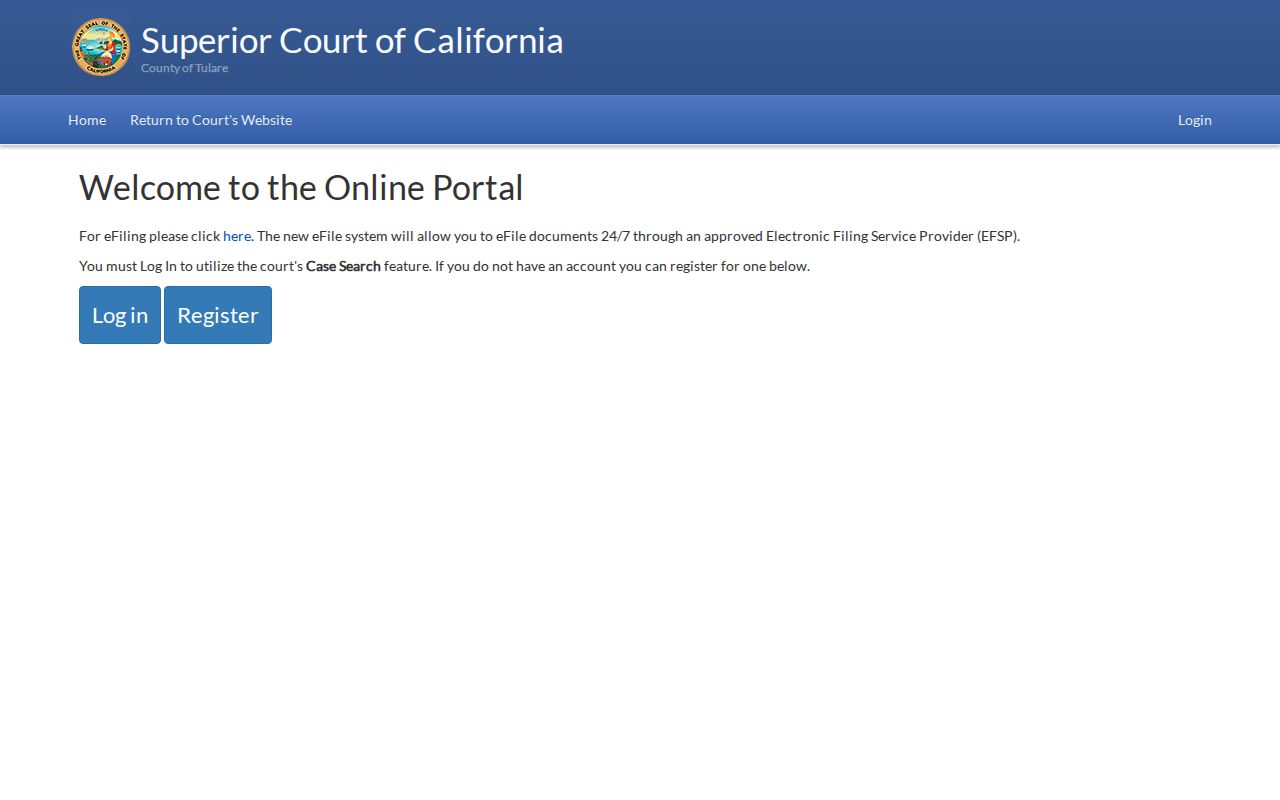
The live portal view shows why a case number and party role should be retained before requesting a file.
Verify Tulare Resident Records
Verification should anchor a name to a place and then test the link with a second record. A known address is especially useful because it can produce an APN and legal description. A known name can start with business, license, court, or unclaimed-property sources. Stop when the evidence only suggests a connection.
- Normalize the name while keeping every meaningful spelling variant.
- Search the appropriate official index and save the record identifier, date, role, and jurisdiction.
- If the result is property-related, compare the APN, situs, mailing clue, and legal description through the county systems.
- Use a second source such as court disposition, a credential record, a dated newspaper, a directory line, or an appropriate vital copy.
- Contact the custodian for a copy or correction and stop when a protected or confidential record is reached.
A Tulare resident lookup is strongest when the two sources agree on identity and time. It is weaker when the only overlap is a common name or an address that belongs to a business, agent, or mailing service.
Same Name, Different Tulare Record
A court plaintiff, defendant, petitioner, respondent, witness, or attorney has a different role from a deed grantor or grantee. A business agent is different from an owner, and a licensee is different from the address printed on the credential. Build a comparison grid with full name, middle initial, date span, role, locality, known relative or business, parcel description, and record identifier. That grid keeps a resident lookup tied to a role and date.
For a common name, a conflicting date is a useful rejection signal. Married-name changes, trust names, spelling variants, parcel splits, and changed street numbers can create apparent duplicates. The Recorder advises testing spelling variants to improve recall, but the second source must restore precision. A missing web hit can reflect a cutoff, privacy rule, sealed file, nondigitized collection, or changed jurisdiction.
Tulare Vital Copies Have Two Classes
Tulare County Clerk-Recorder and CDPH issue birth, death, marriage, and divorce certificate channels. California distinguishes authorized certified copies from informational certified copies under Health and Safety Code sections 103525 through 103526.5. Informational copies are marked not valid to establish identity. There is no simple statewide rule that makes every birth or death open after one fixed number of years.
The CDPH form asks for the event type, names, date and city or county, parents' birth names when relevant, applicant relationship, purpose, signature, and the required sworn statement or notary block for an authorized mailed order. The researched 2026 CDPH amounts are birth $31, death $26, marriage $19, and divorce certificate $18. Tulare County's posted county birth fee is $34. Check the current form before ordering.
A divorce certificate covers only the limited CDPH certificate route for 1962 through June 1984. A decree, custody term, or court order belongs in the Superior Court file. For earlier or missing events, Hillman cemetery indexes, church registers, newspapers, and family papers are leads, not government-certified copies.
Tulare Resident License Clues
California DCA License Search supports Boards and Bureaus, License Type, License Number, Business Name, First Name, Last Name, and Registry Number. Advanced search can use up to ten license types, cities, and counties, plus primary or secondary status, discipline, and public documents. A result may show a license number and type, name or business, publishable address, issue or expiration date, status, and public discipline links.
Some professions use their own official tools. The California Bar's attorney search is one example. Contractors, real-estate appraisers, educators, physicians, nurses, and alcoholic-beverage licensees may be routed to their named boards. Keep the credential identifier and status date with the name. The result shows an official role, not a guaranteed residence.
The California Bar attorney search is the source for the example below.
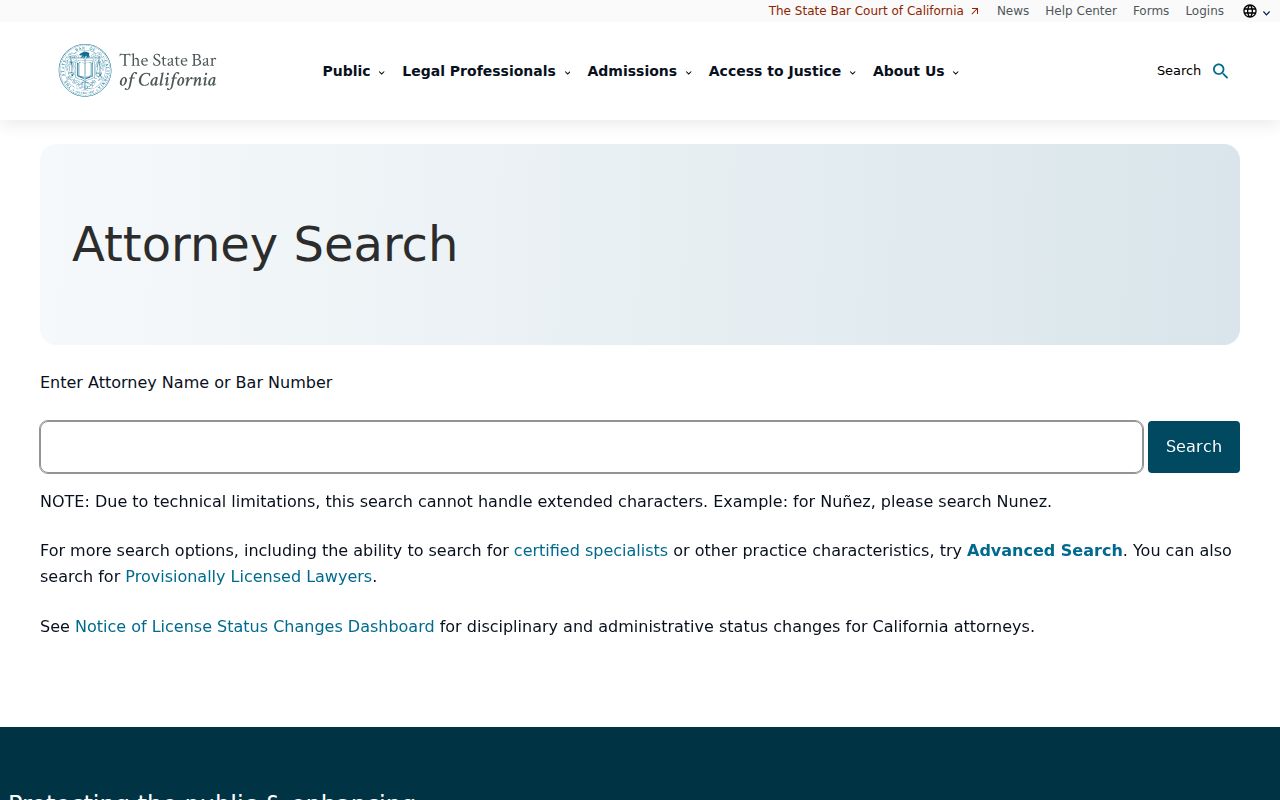
Board-specific fields differ, so follow the named regulator when DCA redirects the search.
Tulare Business Record Links
California Secretary of State bizfile Online searches entity name or file number, then permits filters for entity group or type, status, and initial-filing date. Results cap at 500 closest matches, and the SOS advertises free PDFs from more than 17 million filings. A filing may show entity name and number, formation or registration date, status, jurisdiction, agent for service, street and mailing addresses, and Statement of Information timing.
Tulare County's fictitious business name search connects a trade name to filed registrant information and a filed address. An FBN is generally valid for five years and is not an occupational license. The address can show a business connection, not where the registrant sleeps. California SOS filings also do not make ownership, phone, email, subsidiaries, or associated businesses of record.
Use California bizfile Online and the Tulare County FBN search for their stated business purposes.
Tulare Probate and Heirs
Probate is a lawful family-history route when the research question concerns a decedent or possible heir. A public petition, notice, or inventory may identify a decedent, personal representative, or publicly listed interested person. Pair the case with an obituary, deed, directory, or vital index. Addresses and sensitive financial details may be redacted, and a probate role does not prove current residence.
Birth-parent research must use California's official adoption-information and court processes because adoption files are confidential. A former classmate is better approached through yearbooks, directory runs, newspaper notices, and Hillman volunteers. For an older Tulare name, the library's exact shelf list is more useful than assuming every year was published.
These human uses explain why a resident lookup needs restraint. The goal is corroborated family or historical context, not a forced answer when the record is private.
Tulare Voter Status Is Individual
California My Voter Status requires first name, last name, date of birth, and conditional identity fields. It is an individualized verification service. A successful check may return registration status, party preference, county, precinct or election information, polling place or vote-center information, and ballot status as applicable. It cannot be used to browse registered people on a Tulare street.
Elections Code section 2194 restricts voter-registration information to approved statutory purposes and excludes commercial purposes. Government Code section 7924.000 protects home street address, phone, email, precinct and registration identifiers, prior registration information, credential numbers, and signatures. Safe at Home voters are specially shielded. A no-match is not a negative residence finding.
Tulare Court and Custody Tools
Federal court research uses PACER and the Eastern District of California route. PACER may charge $0.10 per page with a $3 cap for most documents, and quarterly fees of $30 or less are waived under the researched rules. Federal docket information is separate from Tulare Superior Court. A court case remains a record of a role and proceeding, not an automatic finding about a person.
California Department of Corrections and Rehabilitation's Incarcerated Person Locator uses a CDCR number or name for state-prison information. California Megan's Law provides authorized registry information through name and geographic modes. California DOJ Record Review is fingerprint-based access to a person's own criminal history, not an open public name search.
The PACER federal court records page shows the separate federal path.
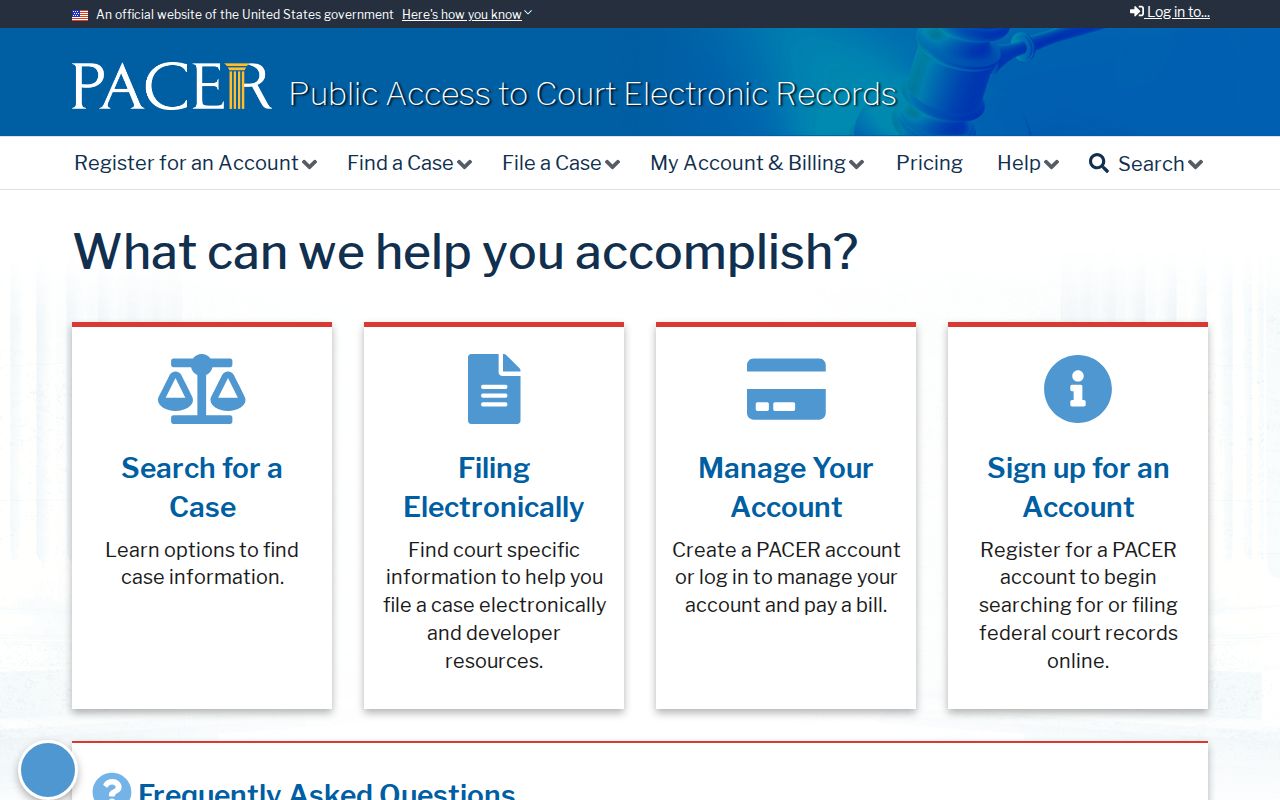
Use the federal docket only for the federal case question, and keep it separate from county trial-court results.
Tulare Lookup Privacy Boundaries
California's Safe at Home program can provide a substitute mailing address, confidential voter registration, confidential name-change protection, and DMV suppression for eligible people. An absent address is therefore not proof that a person does not live in Tulare. The DPPA protects DMV address data, and voter statutes restrict the file. Sealed, juvenile, adoption, and confidential records have their own boundaries.
Lawful personal use. Use a Tulare resident lookup for family history, reconnecting, heir work, credential verification, or civic research. Do not use a record to stalk, harass, intimidate, or harm anyone. If the public trail ends at a protected record, let it end.
California DOJ's Record Review process explains why a person seeking their own criminal history uses fingerprints rather than an open name search.
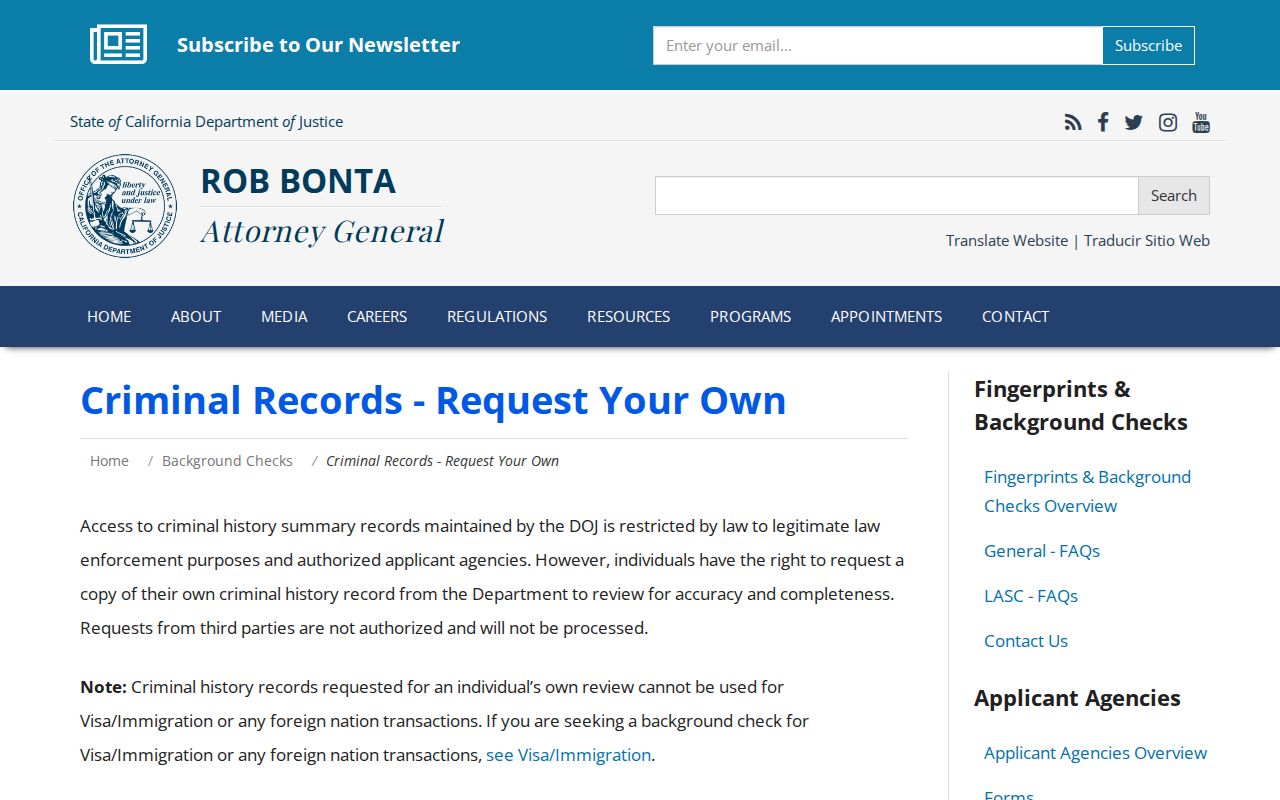
The official route clarifies the difference between personal record access and a public resident directory.